Pod Safety and Long-Term Reliability: What a Wholesale Buyer Can Actually Verify
Updated
Key answer
For pods, reliability is a consistency and handling question rather than a lifetime one: the same spec drawn from two batches, a seal that survives storage and transit, and a supplier who can trace the pack in your hand to a production record. Verify it with documents that name the part, a reference pack per batch, and a defect path with a deadline.
Reliability is the claim every pod supplier makes and the one a buyer can least test from a sample box. A brochure can promise stable performance for years and nothing in a single unopened pack will contradict it. The way through is to change the question. A sealed pod is a consumable that empties in days, so the useful version is not how long one unit survives but whether the pack that ships in month six behaves like the pack you approved, and whether it arrives intact after a warehouse and a freight leg. Those things are checkable, and this page works through them one at a time.
What does “reliable” mean for a pod rather than a device?
Consistency between units, and an intact seal on arrival. A pod is liquid, wick, coil wire, a moulded body, a seal and two contact pads. Its working life is days of use, which makes the questions about it narrow and physical: does it leak, does it taste like the unit before it, does it seat properly in the device it is sold against. The multi-year questions belong to the battery hardware it plugs into — the cell, the charge circuit, the housing — and a supplier who answers a question about pod reliability with a story about years of daily use is describing a different product.
That split matters commercially, because the two halves fail differently and are covered by different documents. Fit against the device families is a third question again, and it is worked through in the compatibility chart.
Where do circuit protection claims belong?
On the device, and a pod buyer should read them there. A pod carries no protection chip: it passes current through contacts and holds liquid behind a seal. Overcharge, over-discharge, short-circuit and temperature cut-off live in the battery hardware. If you source devices alongside pods, that is where the questions go, and they should come back as a spec sheet naming which functions exist, a test report that names the model number actually being shipped, and documentation that travels with the dispatch. If you buy pods only, a supplier’s circuit-protection paragraph describes somebody else’s product: it costs nothing to write and tells you nothing about the carton coming to you. Ask instead what protects a pod in transit, which is the next section.
How much of a materials claim can you actually verify?
Only as far as a document names a part, a method and a date. Material words in this trade — food-grade, skin-safe, medical-grade, aerospace aluminium — stay adjectives until a report states which component was tested, against which standard, by which lab, on which batch. Ask for the declaration for the mouthpiece and the pod body specifically rather than a general certificate, and check the product name printed on it against what actually ships: a report for some other model is the single most common thing a buyer receives when they ask.
Two of those words deserve a separate warning. E-liquid is not a food, and no material choice inside a pod makes the aerosol it produces safe to inhale; a supplier who tells you a product is harmless is selling a claim rather than a specification. What you can judge yourself at sample stage is narrower but real: the moulding seam along the mouthpiece, flash left on the pod body, whether the body flexes under a thumb, cloudiness or residue in the liquid window, and the smell off an unopened pack. None of that proves a composition. All of it shows whether the tooling and the handling are steady, which is what a buyer can act on.
We publish three quality-control rounds as standard — batch sampling at production, pre-pack inspection and a pre-dispatch audit — and the inspection report travels with the shipment. We do not publish material certifications on this site. If your market needs a particular document, name it and you will get a written answer about whether it exists for the line you are ordering, before you commit rather than at customs.
Why do pods leak between the factory and your shelf?
Usually before anyone draws on them: heat, pressure and stacking. A sealed pod holds liquid plus a small volume of air. The liquid expands with temperature and the air changes volume with altitude and cabin pressure, so a pod that passed inspection on a bench can arrive wet after a hot warehouse, an air leg or a deep stack. A little condensation at the mouthpiece is a different thing from a wet label, a sticky seam or liquid loose in the packaging — the second group is what a defect path exists for.
Ask in this order: how many packs go into a carton and whether there is an inner liner or divider; whether packs ship upright and how the carton is closed; what the stacking limit is; and what happens when a carton arrives wet. Ours is 14 days from delivery — report with photos of the defective packs and their codes, and they are credited or replaced on the next shipment. The packing questions run alongside this in retail-ready packaging, and the transit ones in shipping and import basics.
What goes wrong with stock that sits?
Taste first, then the seal. A pod kept somewhere warm oxidises its liquid faster than one kept cool: the flavor flattens, the top notes go, and the harshness on the draw shifts. The wick stays saturated the whole time, which is why long-stored pods weep more readily when they are finally used. None of this is exotic — it is why storage instructions are printed on retail boxes and why a distributor’s warehouse decides the condition of stock as much as a factory’s inspection does.
What you control: store upright, keep stock cool and out of direct sun, avoid racking that swings between hot and cold overnight, and rotate by batch code so the oldest code leaves first. What to ask your supplier: whether the date printed on a carton is production or packing, how far back their batch records go, and how old the batch they are about to ship is. A supplier who cannot answer that last one has thought about their dispatch queue and not about your warehouse.
How do you check that batch 20 matches batch 1?
By keeping a reference, not by trusting a certificate. Consistency is the one claim that survives contact with a reorder: the first order performs, the fourth tastes different, and the difference is your customer’s to notice long before it is yours to explain. Five things make it visible:
- Keep a sealed reference pack from the first batch of every SKU you list, and store it the same way as sellable stock.
- On each reorder, draw one unit and compare it against the reference: the draw, the first week of flavor, and how the pack seats in the device.
- Ask for the batch number on the invoice to match the carton, and keep that pairing in your own records so a complaint traces back to a date.
- Ask what changed between the two batches — coil wire source, liquid batch, packaging print — and whether the change was documented before it shipped.
- Ask to code-check a unit drawn from the batch that will actually ship, and for photos of your own sealed batch before dispatch.
The last two are things we do on request for every order, and the seven authenticity checks work the same way on a reorder as on a first enquiry: see how to spot fake RELX pods.
What should a supplier’s answer sound like?
Like nouns, numbers and dates. A usable answer names the part tested, the method, the record you will receive and the deadline you can claim under. A red flag is a page of adjectives with no document attached to any of them.
| Ask | A usable answer | A red flag |
|---|---|---|
| What are the pods made of? | A declaration naming the mouthpiece and pod body, the standard and the lab | “Food-grade materials, safe to inhale” |
| Will they arrive dry? | Packs per carton, liner, stacking limit, and a defect window with a deadline | “Zero leakage, it never happens” |
| How old is the batch? | A printed date, whether it is production or packing, and a batch record behind it | “Always fresh stock” |
| Is batch 20 like batch 1? | What changed between them, and a pre-dispatch photo of your own batch | “Same factory, same product” |
| What happens on a complaint? | Who checks, how long you have, and what they do with the codes | “Contact support” |
None of the above needs a factory visit. It needs a document list agreed in writing before the first order, a reference pack kept in your own warehouse, and a supplier who answers in part names and dates. That is the whole test, and it is the one we would rather be judged on: the ten lines are in the catalog, and sending your target specs and volumes gets the same questions answered line by line.
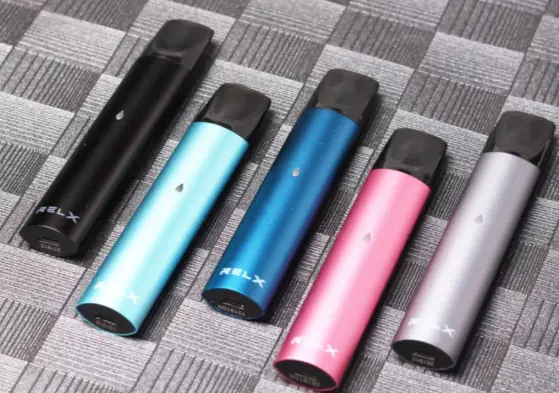
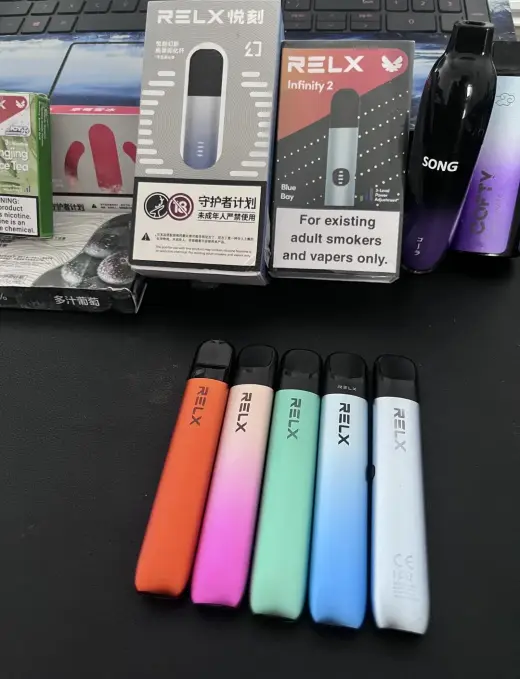
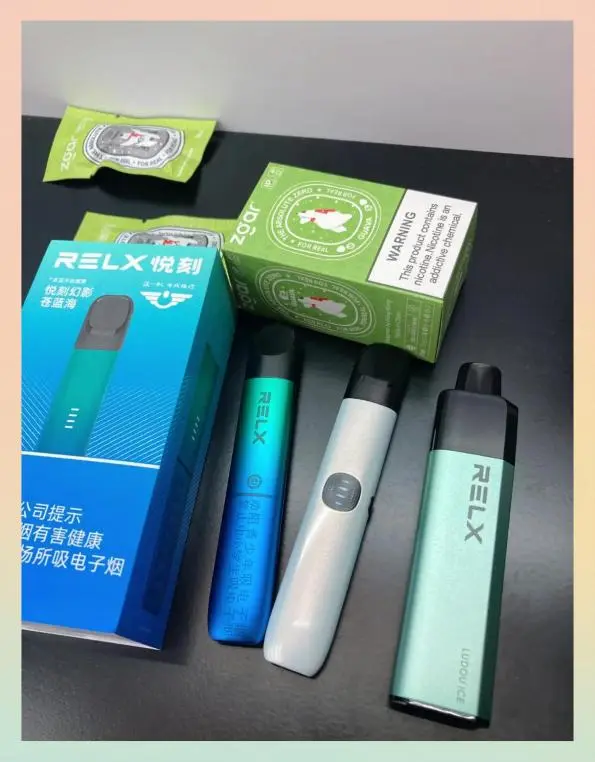
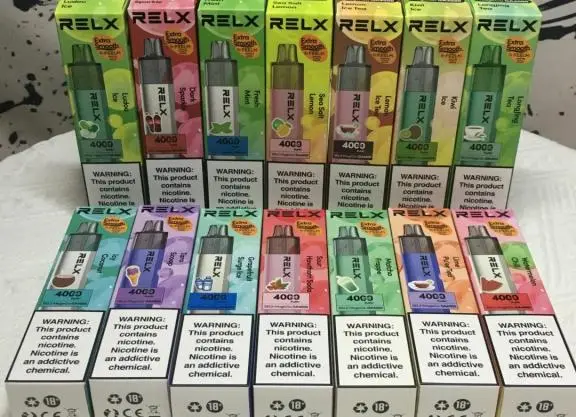
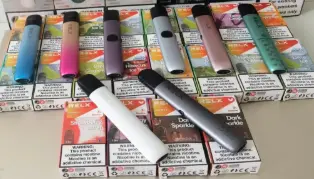
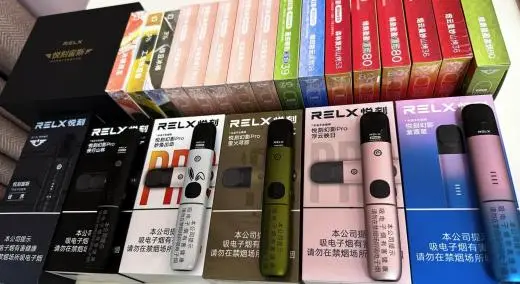
About these photographs: the six images on this page show RELX-branded retail packaging and devices, chosen because labels, seams, cartons and codes are visible in them. RELX is a trademark of its respective owner and this site is an independent wholesale trading channel, as the note in the footer says; the packs AISILE ships are photographed on the individual line pages under /pods/.
Get a Quote
Tell us what you need in your market
Send your target models, flavors and volumes — itemized pricing plus shipping options for your market, back within 24 hours.
Prefer to talk it through? Message AISILE on WhatsApp (+86 155 6191 2527) or email admin@aisile66.com.