Ceramic Core vs Cotton Wick Pods: What Changes and What a Buyer Can Verify
Updated
Key answer
A burnt note while liquid is still in the pod is a wick question: cotton chars, the coating slows liquid to the coil, and the coil then vaporises its own residue. Ceramic delays that and smooths the curve, but no wick holds a pod identical to the last puff. Verify the build on a sample by splitting one, and ask for wick material, resistance, capacity and the puff-counting method in writing.
Capacity and coil resistance get printed on the box. What the wick is made of usually does not, and that is the part an end-of-pack flavor complaint ends up being about. A pod that tastes flat or burnt while there is still liquid in it has one of two problems: the material carrying liquid to the coil has degraded enough to stop carrying it well, or the level has dropped below the wicking port and the coil is heating dry. Only the first is a build question, and it is the one a wick material decides.
Why does a pod taste burnt before it is empty?
Because the wick carbonises, and the residue is what you taste rather than the liquid. A cotton wick is a bundle of cellulose fibres: it moves e-liquid through the gaps between fibres rather than through a structure of its own. Those same gaps are where the heavy fractions of a liquid — sweetener, and some flavour compounds more than others — bake onto the heating wire. Once that coating builds up, liquid reaches the coil more slowly than the coil is being driven, the wire runs hotter than it was designed to, and the next thing vaporised is the coating itself. That is the burnt note, and it arrives with liquid still in the reservoir, which is why the customer’s sentence is “the pod died early” rather than “the pod ran out”.
Ceramic is a sintered body with porosity built into the material instead of left between fibres. It tolerates more heat before it changes and it does not burn the way cellulose does, so the char-driven part of the fade arrives later and less abruptly. That is the honest extent of the claim: a delay and a smoother curve. A supplier who tells you a wick material makes the taste identical from the first puff to the last is describing a test bench, not a shelf.
What does a working temperature range mean when a supplier prints one?
Nothing until someone says where the probe was. Propylene glycol and vegetable glycerin vaporise well above the boiling point of water, and the surface doing the heating runs hotter than the aerosol leaving the mouthpiece. A figure measured on a coil wire, on a wick face, and in the aerosol stream are three different promises wearing the same number — which is why a range quoted without a measurement point, a draw length and an interval is decoration rather than a specification.
Two hot-end fields do carry weight, because both are checkable in an office with an ohmmeter and a scale: coil resistance in ohms, and e-liquid volume in millilitres. Everything else about how a pod performs sits downstream of those two and of where the wicking port sits in the body.
Does a ceramic core keep the taste identical to the last puff?
No wick does, and four things move the taste inside a single pod regardless of what the wick is made of:
- Sweetener build-up. The same coating process described above runs from the first draw, it just stays below the threshold for longer on a ceramic body. Very sweet profiles cross that threshold first, which is why a dessert line turns and a menthol line does not.
- Liquid level. Below the wicking port the coil draws a mix of vapour and air, and the hit changes before it fails. This is geometry, not material.
- Oxidation in the reservoir. The liquid inside a filled pod is ageing the same way stock ages in a warm warehouse; nicotine, colour and top notes move together, as the reliability page covers.
- How the pod is actually used. A pod finished in one evening reports differently from the same pod spread over a week, because long draws pull liquid faster than a small port returns it.
What a ceramic body genuinely improves is the first item’s onset and the severity of the fourth. What no wick material fixes is a pod whose port is too small for its own capacity: that shows up as a burnt taste in week one rather than week three, and it is a tooling defect you can find on a sample before it becomes a return authorisation.

What does a separated pod and battery design change commercially?
It moves the repeat purchase from the device to the consumable, which is where a distributor’s margin usually sits. The host is bought once and carries the warranty conversation; the pods are re-ordered, and they are the SKU count: flavors multiplied by capacity, not devices multiplied by everything. A customer who likes one flavor and tries a second is a pack sale in a modular system and a full device sale in an integrated one, and that difference is the reason the format has held share since it appeared.
Compare it on cost per millilitre rather than per unit: pack price divided by pods multiplied by millilitres per pod. The ten lines in the catalog run from 0.55 ml to 4 ml per pod, so an identical pack price is a very different cost per millilitre across them. It is also the reason a “60% cheaper than disposables” figure means nothing until someone names the device, its capacity and its retail price — the arithmetic is easy to do and easy to do dishonestly, and the honest version is a comparison table with both columns labelled.
The waste and regulation angle is a paperwork question rather than a marketing one. A spent pod is a smaller stream than a spent device, and in markets where single-use hardware is being restricted, what matters is what your customs broker can put on a form. Ask us for the packing, material and labelling detail on the line you are ordering and you get it; which rules bind your market stays your side of the import.
How do you tell a ceramic build from a cotton one on a sample?
Split one. The destructive check costs a unit and answers the question directly, and it is the only test on this list that does not depend on anyone’s honesty:
- Pull the wick out. A cotton build gives up a soft fibre bundle, cream when new and brown at the centre once used. A ceramic body does not bend or fray: it is a rigid block, and snapped, its fracture surface is grainy rather than fibrous.
- Look at how the wire meets the body. Wrapped around a fibre bundle, or seated in a channel printed on the face of a block. The second is what “ceramic core” is supposed to look like.
- Weigh the empty shell and the filled pod. The difference is the fill, which is the fastest way to check a capacity claim against the number on the carton.
- Smell an unopened pack. A solvent note that fades within a minute is off-gassing from moulding; one that stays is a materials question worth a document.
- Watch the port. Tip the pod mouthpiece-down and time how fast liquid returns to the window. Slow return on a full pod is the geometry problem from the third section, found before it reaches a shelf.

What do the three common wick builds actually trade off?
| Build | What it is | What it does well | What to check on a sample |
|---|---|---|---|
| Cotton wick | A bundle of cellulose fibres around or beside a wire | Fast saturation, low cost, clean flavor in the first days | When the note turns, in days of normal use, on a sweet profile |
| Ceramic core | A sintered porous body with the heating element against it | Resists charring, so the fade is later and gentler | Whether it is a ceramic body or a ceramic-coated fibre — the fracture test tells them apart |
| Mesh or film | A low-mass heating surface that wicks through a coated mesh | Even heat and a quick ramp; usually paired with one of the two wicks above | Which wick material it is paired with, because “mesh ceramic” is often a compound of two different builds |
What should a supplier put in writing about a wick?
Five fields and one method. Wick material named as a material, not as “premium coil”. Coil resistance in ohms. E-liquid volume in millilitres. A pod-life figure in puffs, with the draw length and interval used to count it, because the same pod returns a number three times apart depending on how it was tested. And the batch code with its date, so a complaint traces to a production record instead of to a conversation. The last two are what make the first three worth anything: a spec that cannot be tied to a batch is a description of a prototype.
We publish three quality-control rounds as standard — batch sampling at production, pre-pack inspection and a pre-dispatch audit — and the inspection report travels with the shipment, as the wholesale FAQ states. What we do not do is print one wick material for the whole catalog: the ten lines are built to different specs, and the answer belongs to the line you are ordering. Ask, and you get the material, the resistance, the capacity and the counting method in writing before samples ship.
When is a ceramic line the right stocking decision?
When your customers finish pods slowly. A ceramic build pays for its higher pack cost in the third and fourth week of a pod’s life, which is the part a light or flavour-led user actually experiences and the part a heavy user never reaches because the pod is empty first. If your shelf sells to people who go through a pod in two days, the cotton line at the lower price is the honest recommendation and the extra cost buys a difference they will not notice. If they are carrying one pod for a week and you have heard the “it tastes different at the end” complaint from your own retail customers, that is the same conversation with a different answer.
Flavor range is a separate decision and it is stocked in packs of ten: see the flavor library. What a given pod fits is a third question, worked through in the compatibility chart, and what the build choice does to your landed number is in how a wholesale quote is built. If you are weighing a ceramic line against a cotton one at the same capacity, send both specs and your volumes and you will get the two quotes with the wick material written on them.
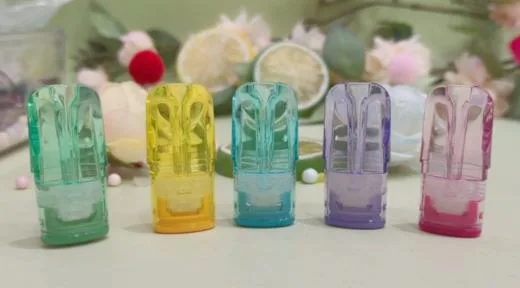
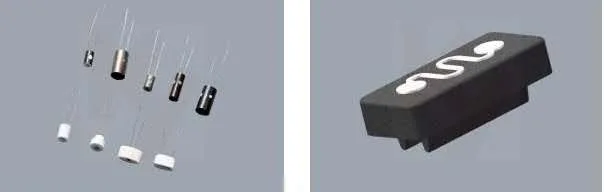
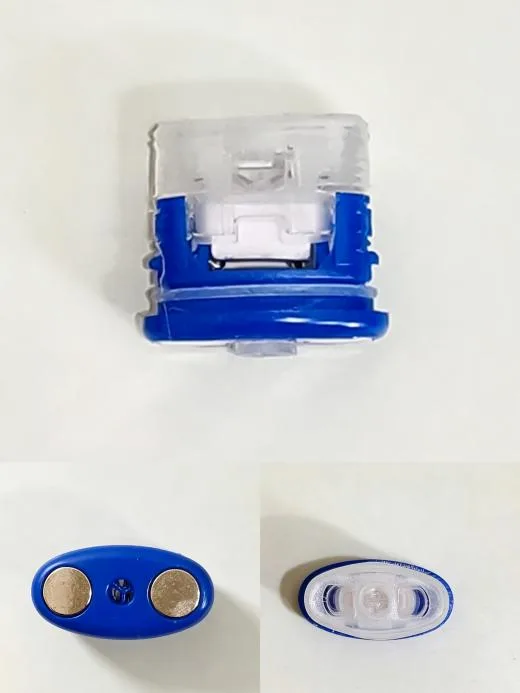
About these photographs: the five images on this page are sample-stage pictures of empty pod shells, a core body with coil elements, a pod base from three angles, and fruit used to illustrate flavour families. None of them is a measurement and none is offered as one. Two further images from the same source — a bar chart of atomisation efficiency and a thermal render of a core — were deliberately left out, because neither names a test, a method or a laboratory, and a figure without those three things is the exact pattern the reliability page tells buyers to push back on. If a report exists behind either, it is welcome: a chart with a named source is a stronger asset than the same chart without one.
Get a Quote
Tell us what you need in your market
Send your target models, flavors and volumes — itemized pricing plus shipping options for your market, back within 24 hours.
Prefer to talk it through? Message AISILE on WhatsApp (+86 155 6191 2527) or email admin@aisile66.com.